Everything before this point in the series happens on your own screen, where you can watch. Production is different: the bot runs on a machine you are not looking at, at hours you are asleep, and the first sign of a problem is often a smaller account balance the next morning. Running a bot well is mostly about shortening the time between something going wrong and you finding out.
Where should a trading bot run: laptop, Raspberry Pi, or cloud?
Your laptop is where the bot is born, and it is a poor place for it to live. Laptops sleep, update themselves, lose Wi-Fi, and travel. A bot that depends on your laptop staying awake will, sooner or later, miss the exit it needed at 3 a.m.
A Raspberry Pi or any small always-on computer at home fixes the sleeping problem. It has plenty of power for a strategy that decides every few minutes or slower. Its weak spot is everything around it: home internet, home power, and an SD card that eventually wears out.
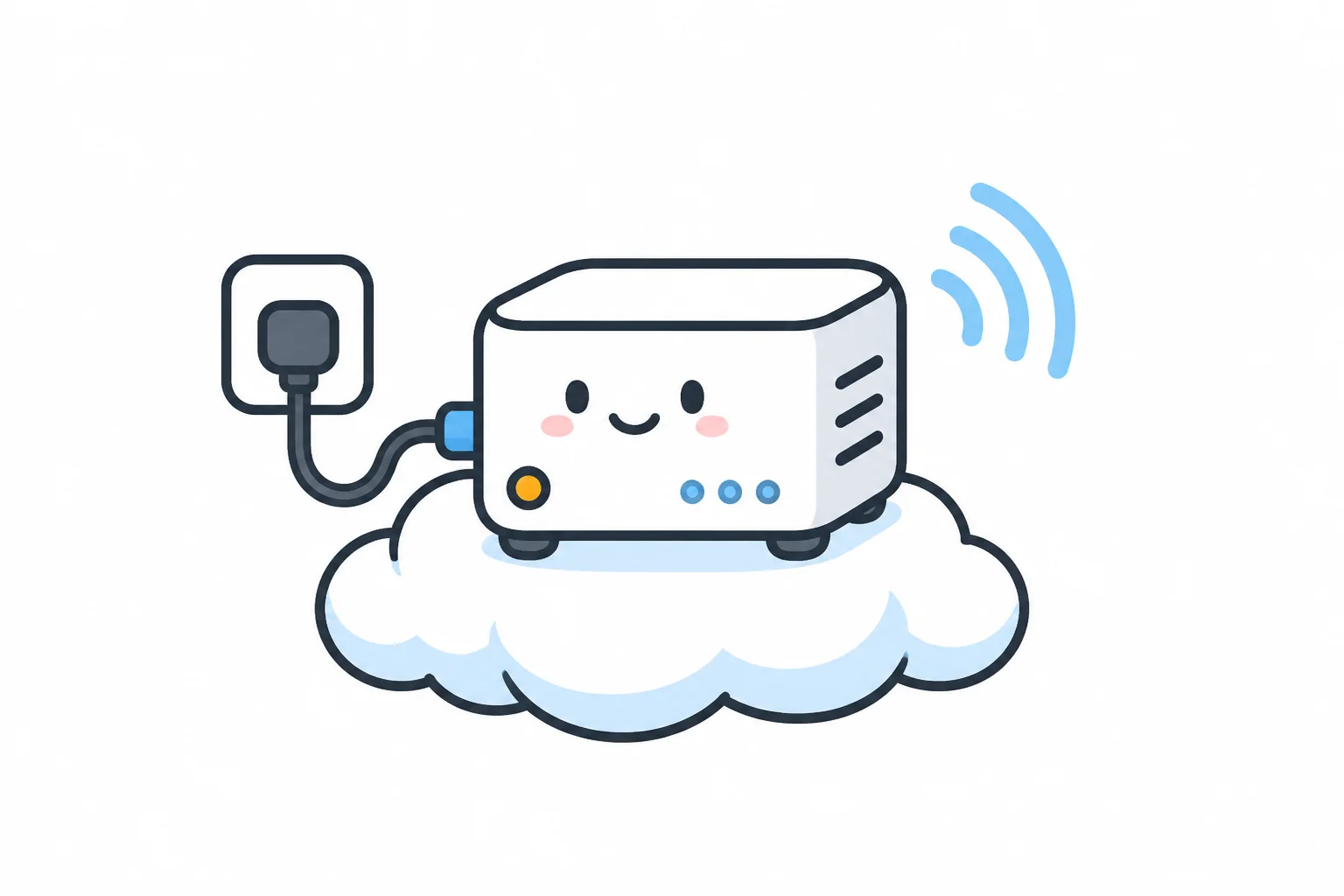
A small cloud server, often called a VPS, is the usual answer for a bot that should really run around the clock. It stays on, its connection is stable, and the cheapest plan at most major providers, a few dollars a month, is more than enough for a bot that trades a few times a day. The trade-off is that you are now responsible for a machine on the internet: a strong password or key, updates, and an API key stored somewhere safer than a plain text file.
Whichever you choose, the rule is the same: the machine’s job is to stay on and connected, and the bot’s job is to stop trading whenever it cannot tell what is going on.
How do you keep a bot running 24/7?
Programs crash. The network drops. The exchange API returns an error at 2 a.m. that it has never returned before. A bot in production needs to survive all of these without you.
The first tool is a process manager. It is a small program whose only job is to start your bot and restart it if it stops. Every operating system has several to choose from, and setting one up takes an afternoon. The second is the bot’s own behavior on restart: it must not assume that nothing changed while it was down. On startup, ask the exchange what positions and orders actually exist, and rebuild the bot’s view of its own state from that answer instead of from whatever it saved before it stopped.
The third is knowing when not to restart. A bot that crashes because of a bug will crash again after every restart, sometimes placing an order each time. A restart limit, for example “stop after three crashes in ten minutes and alert me,” ends the loop and lets you look at the cause.
What should a trading bot log?
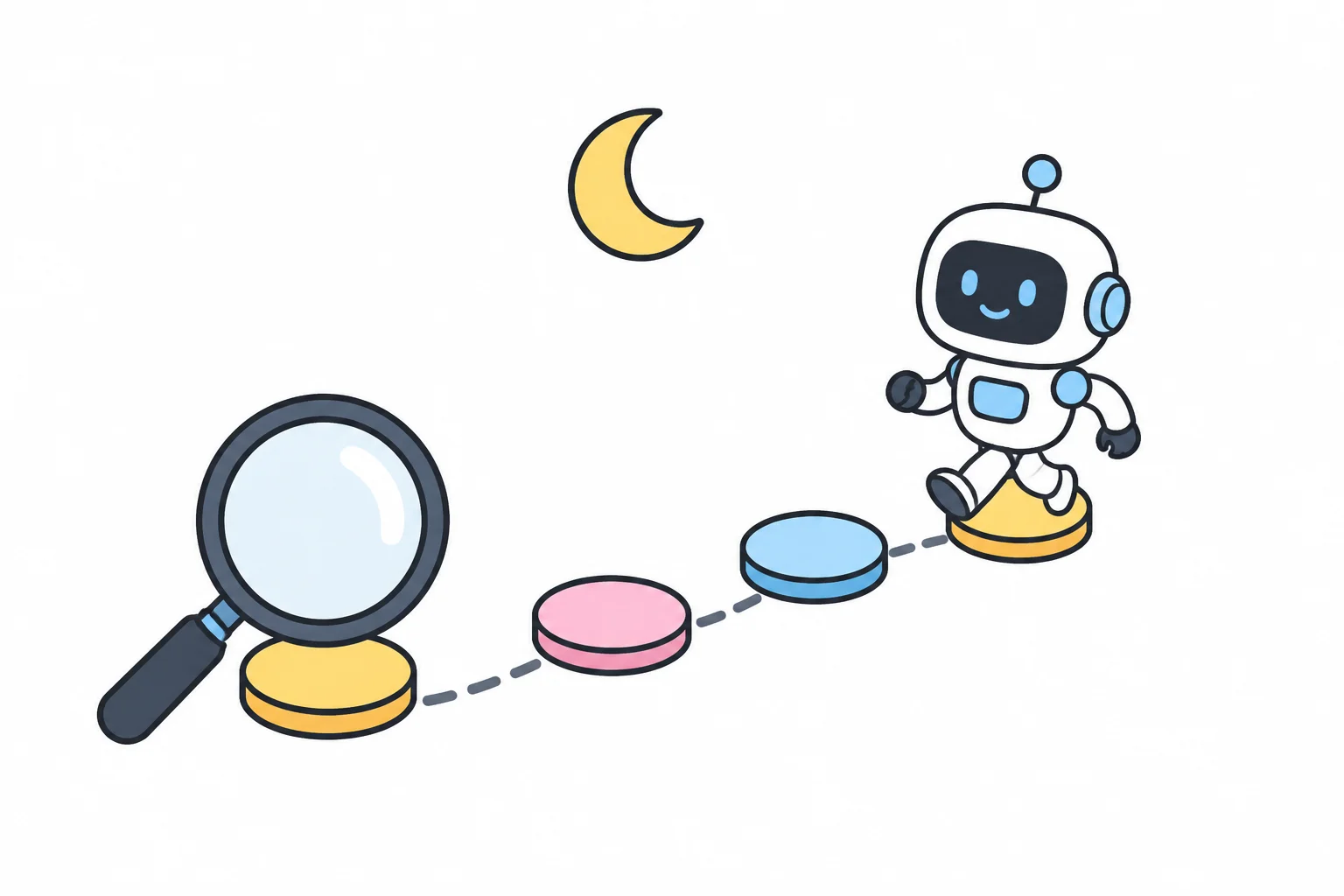
Log every decision and every action, with a timestamp: the data the bot saw, the rule that fired, the order it sent, what the exchange replied, and what the bot believed its position was afterward. It looks like too much until the first night something goes wrong. Then it is the only thing that lets you answer “what happened?” in ten minutes instead of a weekend.
Two habits make logs useful. Log the reasons, not only the events: “sold because the price returned to its average” is worth far more than “sold.” And keep a separate, permanent record of every fill, in a plain file or a small database, that is never overwritten. That trade record is also what you will use to judge the strategy honestly, and to do your taxes.
How do you know the bot is still alive?
Silence is the most dangerous state a bot can be in, because it looks the same whether everything is fine or everything is broken. You need a signal that distinguishes the two.
The simplest is a heartbeat: the bot writes “I am alive” somewhere every minute, and a second, independent watchdog checks that the message is fresh. If it goes stale, the watchdog alerts you. The two must be separate programs, ideally on separate machines, because a bot cannot report its own death.
Beyond alive or dead, watch a few numbers: the account balance, the open position, how long ago the last price update arrived, and the number of errors in the last hour. Alerts should reach your phone, and there should be few enough of them that you still take them seriously. An alert that fires every day teaches you to ignore alerts.
What is the daily routine of running a bot?
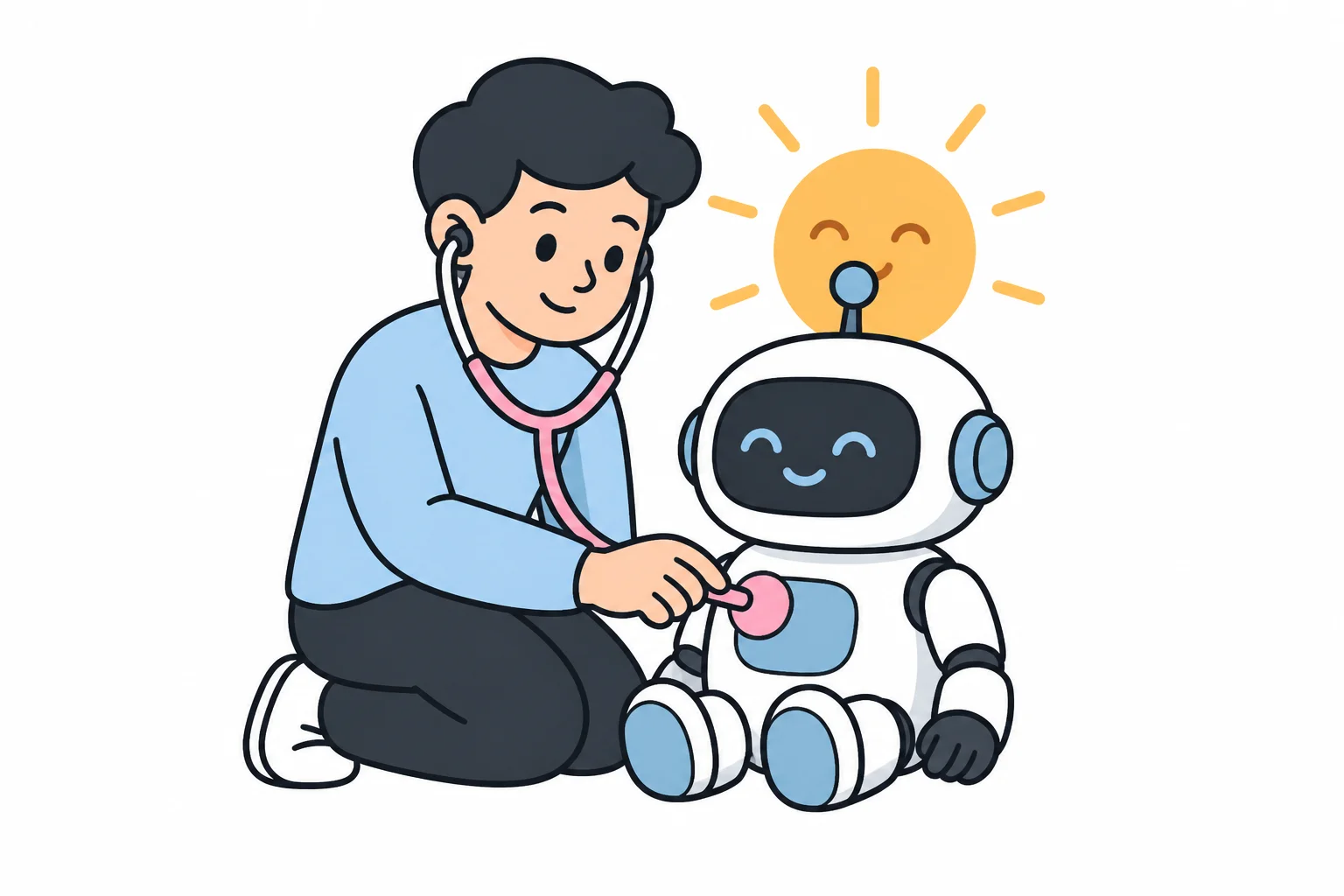
Ten minutes every morning, at the same time. First, reconcile: compare the bot’s idea of its positions and balance with what the exchange says, and treat any difference as an incident until it is explained. Second, read the trade record from the last day, every fill, and check that each one matches a rule you can name. Third, look at the error log and the watchdog history. Fourth, glance at the drawdown against the limits from the risk guide.
Most days this finds nothing. The routine exists for the one day it does, and by then you have done it so many times that it takes no thought.
What does it cost to run a trading bot?

The hosting is the smallest cost: a few dollars a month for a basic cloud server, or a one-time purchase for a Raspberry Pi. Market data for a simple bot is free from the exchange’s own API. Most open-source bot frameworks cost nothing.
The costs that matter are elsewhere. Trading fees scale with how often the bot trades, and a strategy that trades many times a day can pay more in fees than it makes. Slippage adds to that quietly. And the largest cost for most beginners is the tuition: the losses made while learning, which is why the earlier guides in this series, from building the bot onward, keep repeating “small size” and “paper first.” Budget for fees and for the losses you will make while learning; next to those, the hosting cost is small enough to ignore.
How do you change a running bot without breaking it?
Carefully, and one thing at a time. Any change that touches the strategy, even a small one, makes it a new bot with no track record. The pattern that works: make the change, backtest it if the change touches the strategy, run it on paper or at tiny size for a few days, and only then let it trade at normal size. Keep the previous version ready to restore, and write down what you changed and when, so that a difference in results a week later has an explanation.
The temptation to skip these steps is strongest right after a losing streak, when a quick fix feels urgent. That is exactly when a rushed change does the most damage. If a bot has followed its rules and lost within its limits, the answer is usually to leave it alone and study the record, not to edit it at midnight.
That is the full cycle this series set out to teach: you have a rule, you have tested it, you have run it, and now you can judge it honestly. From here, the work is repetition: better data, more careful testing, steadier habits, and one strategy at a time.
FAQ
Can you run a trading bot on a Raspberry Pi?
Yes, and for a slow strategy it has enough power. The weak points are the things around it: home internet that drops, a power cut, an SD card that wears out. If you go this route, put the bot behind a process manager that restarts it, and make sure it stops trading, rather than guessing, whenever it loses its connection.
Do you need a VPS to run a trading bot?
Not strictly. But if the bot should run around the clock, a small rented server is the usual choice: it does not sleep when you close a lid, and its connection is far steadier than home Wi-Fi. For a bot that trades a few times a day, the cheapest plan is plenty.
How much does it cost to run a trading bot?
Less than most beginners expect for the machine, and more than they expect for everything else. A small cloud server is a few dollars a month and a home computer is a one-time buy. What actually adds up is trading fees, which grow with every extra trade the bot makes, and the money lost while you learn. Plan for those two first.