You can have a simple crypto trading bot running in a weekend. Trusting it with real money is a different milestone, and the distance between the two is mostly safety work, not strategy work. This is the full path from nothing to a small live bot, in the order that avoids the expensive lessons, and it is Step 2 of the complete guide to algorithmic trading in crypto.
What do you need before you start?
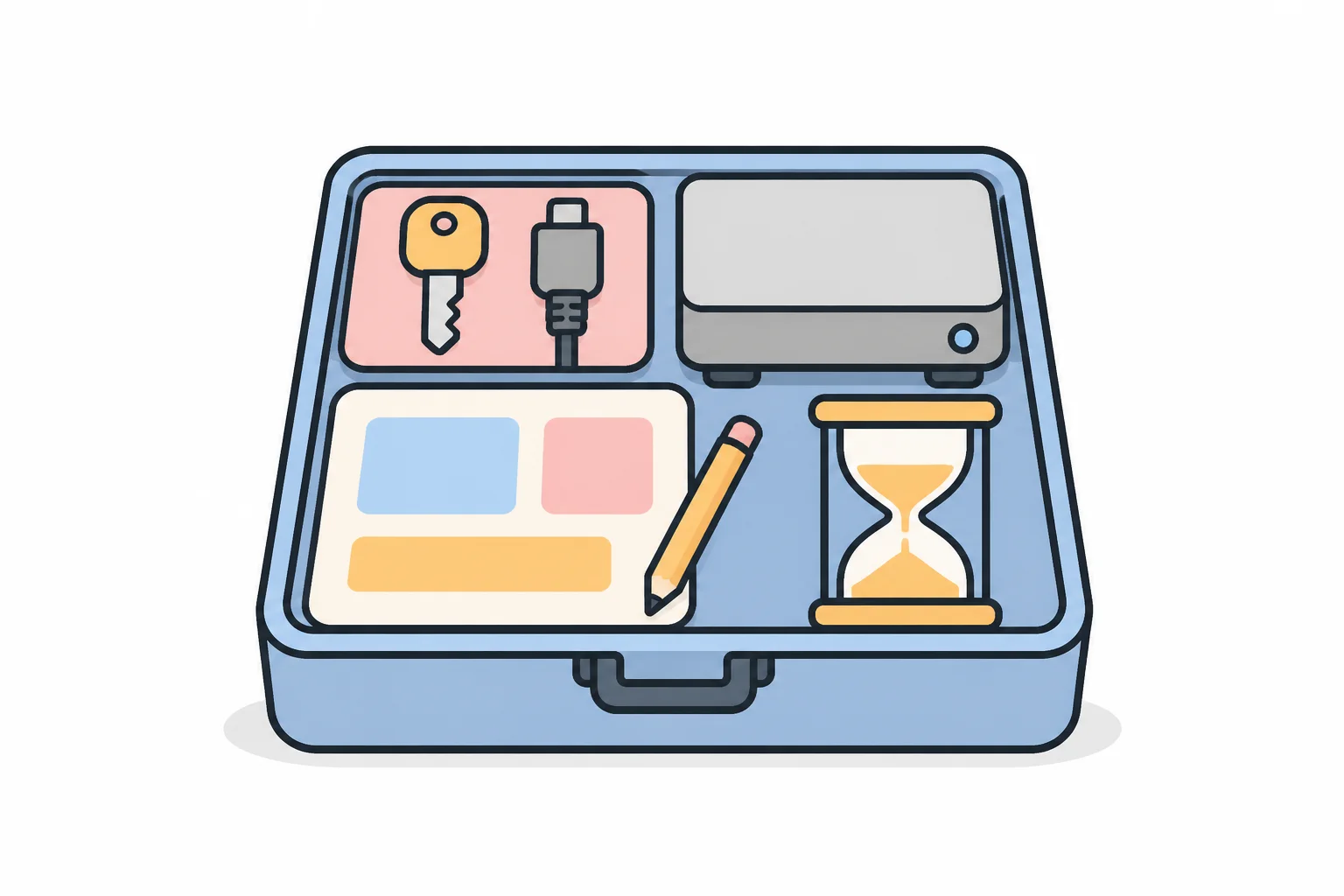
Four things, and money is not one of them.
An exchange account with API access. Most major exchanges provide API keys for free, because they want customers to automate. If you have a choice, prefer a venue that also offers a testnet, a practice environment that behaves like the real exchange with fake funds.
A computer that can stay on. Any laptop is fine at the start. A bot that trades around the clock eventually wants a small always-on machine, but that problem can wait until the bot has proven it is worth the trouble.
A way to write code. Python is the usual choice, with well-worn libraries for talking to exchanges. If you cannot code, an AI assistant changes what is possible; more on that below.
Enough time, spent in the right phase. Expect a few evenings for a first working version, then weeks of watching it trade fake money. The watching is not wasted time. It is the actual work.
The build path, step by step
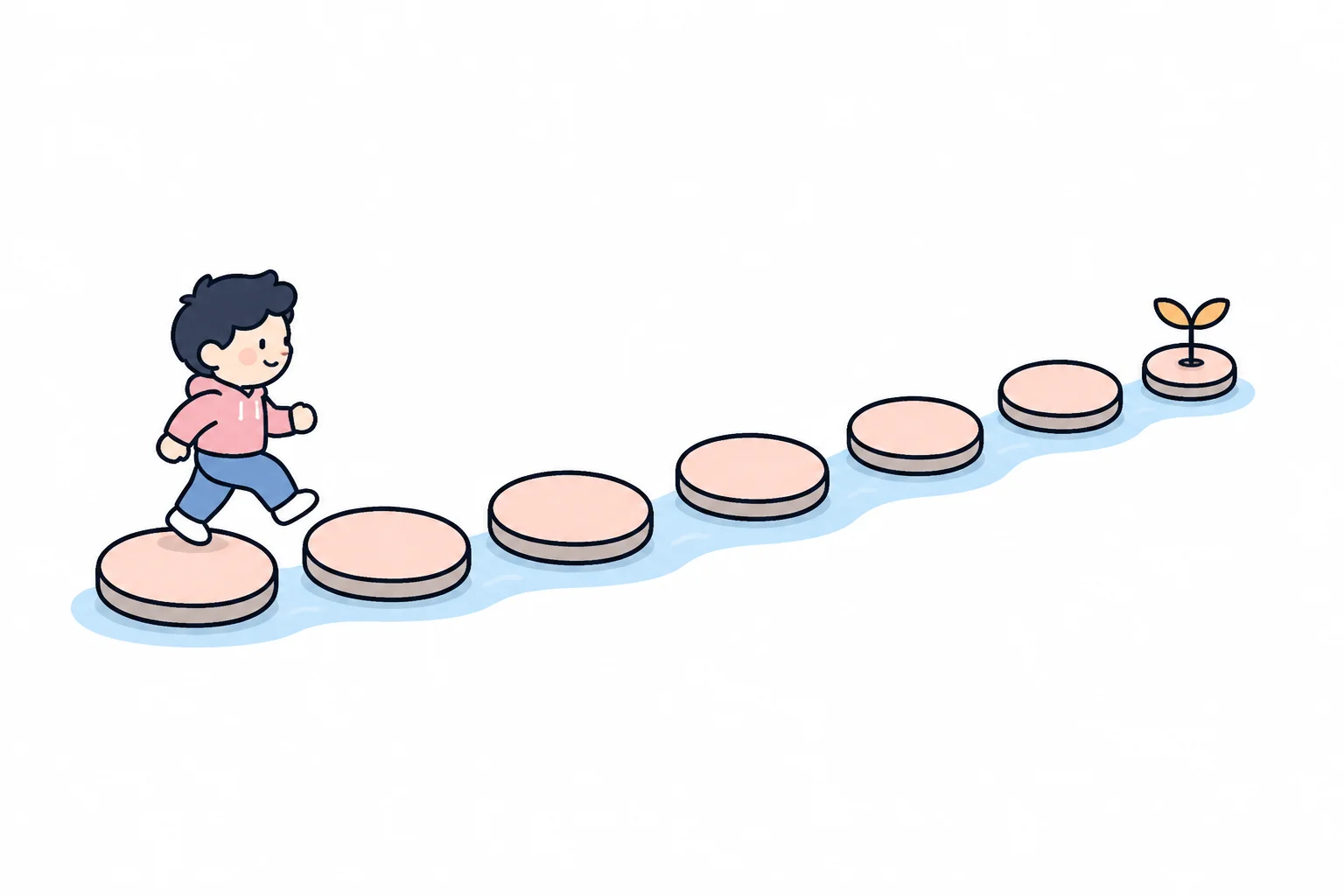
- Choose where you will trade. You need a market with enough volume that small orders fill near the price you see, and an API whose documentation you can read without guessing.
- Create API keys, and make sure withdrawal permission is off. A trading bot needs permission to read data and place orders. It never needs permission to move funds out. On most venues that permission is off by default; leave it off. This one setting is the difference between a bug that loses a trade and a leaked key that empties an account.
- Get data flowing. Before any trading logic, write the piece that fetches prices and prints them. It sounds trivial. It is also where most of the unfamiliar setup lives, so once prices scroll past on your screen, the strange part is behind you.
- Write one rule you can say out loud. Something like: buy $100 of BTC when the price is 3% under its 24-hour average, sell at the average, one position at a time. If the rule will not fit in a sentence, it will not fit in a first bot.
- Test the rule against past prices. This is backtesting, and it deserves care, because a sloppy backtest can make a bad strategy look good. It has its own guide in this series.
- Let the bot trade fake money. Run it on the testnet, in real time, for weeks. You are not looking for profit here. You are looking for surprises: orders that did not fill, errors you did not expect, behavior you cannot explain. If your venue has no testnet, run the bot in a mode that only logs the orders it would have placed.
- Go live small, with limits in the code. An amount you can lose outright without caring, a stop-loss on every position, and a hard cap on position size. The limits go in the program, not in your intentions. A well-built bot can still lose money; the limits are what keep the loss survivable.
Can AI build the bot for you?
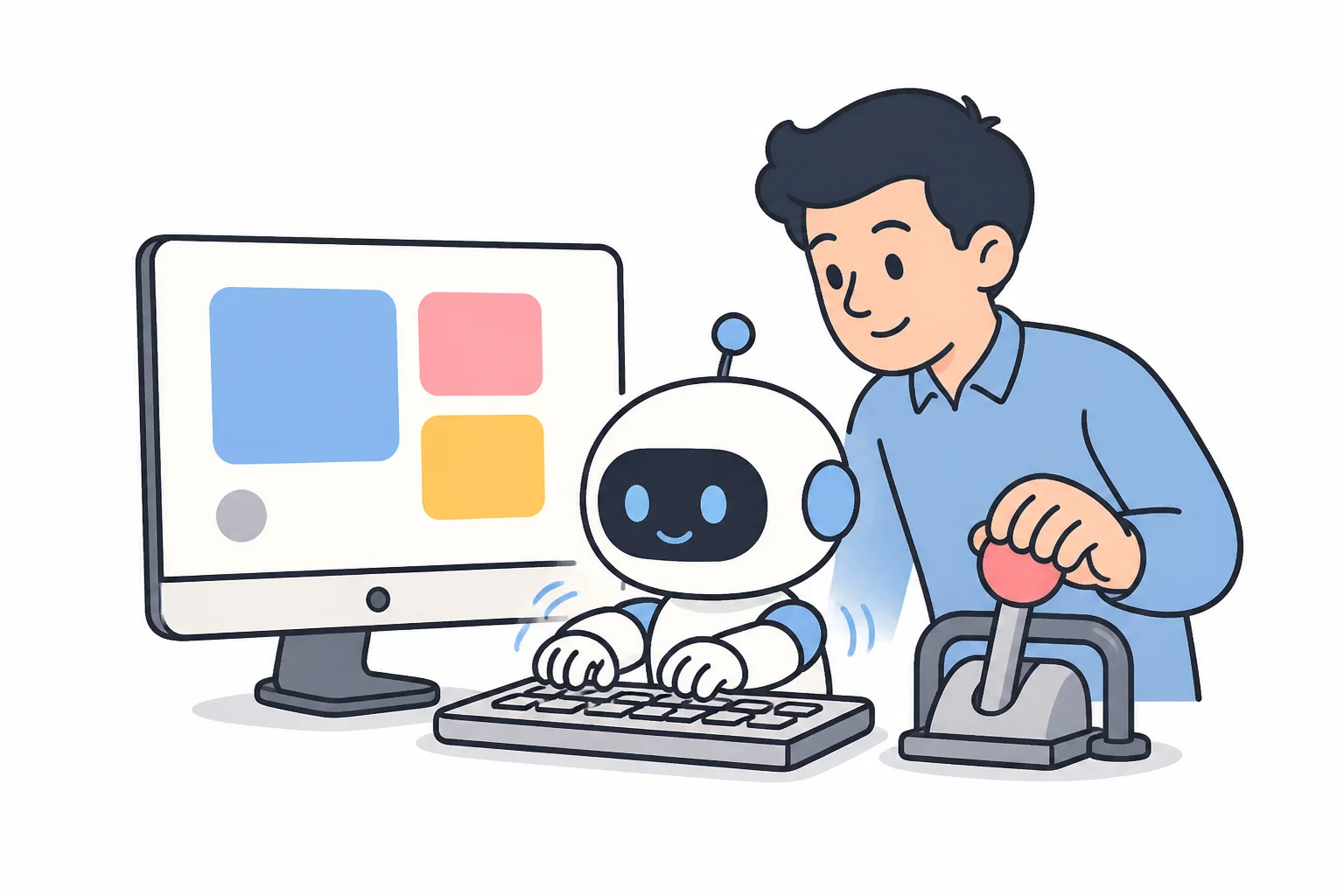
Much of it, yes. Coding assistants can write working exchange-API code from a plain-English description, and they have quietly removed the biggest barrier for non-programmers. A realistic division of labor: the AI types, you decide.
What the AI cannot own is your rule, your position sizes, and your response when something breaks at 2 a.m. It also cannot take responsibility for code it wrote. Read every line that touches money, and if you cannot explain what a function does, do not run it with a real key. Treat the assistant as a very fast junior programmer who has never lost real money to a bug.
How hard is it, really?
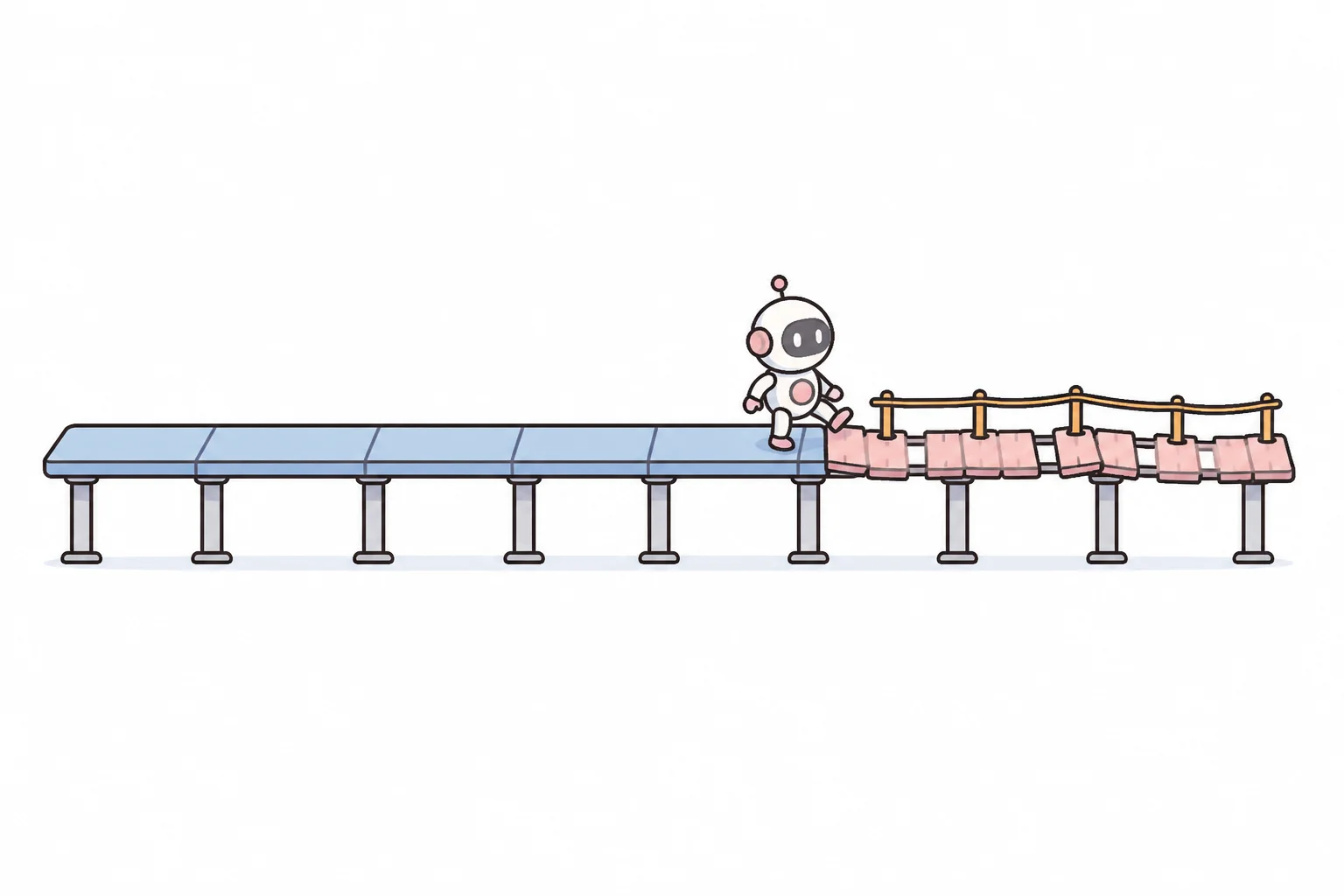
The first 80% is easier than most people expect. Libraries handle the exchange connection, examples are everywhere, and an AI assistant can carry a beginner over most syntax problems in minutes.
The hard 20% is error handling. Networks drop. Exchanges time out. An order half-fills and the bot now holds a position it did not plan for. Writing the logic that notices these moments and reacts safely is what separates a weekend toy from a bot you can leave running while you sleep. Budget your effort accordingly.
The mistakes that cost beginners real money
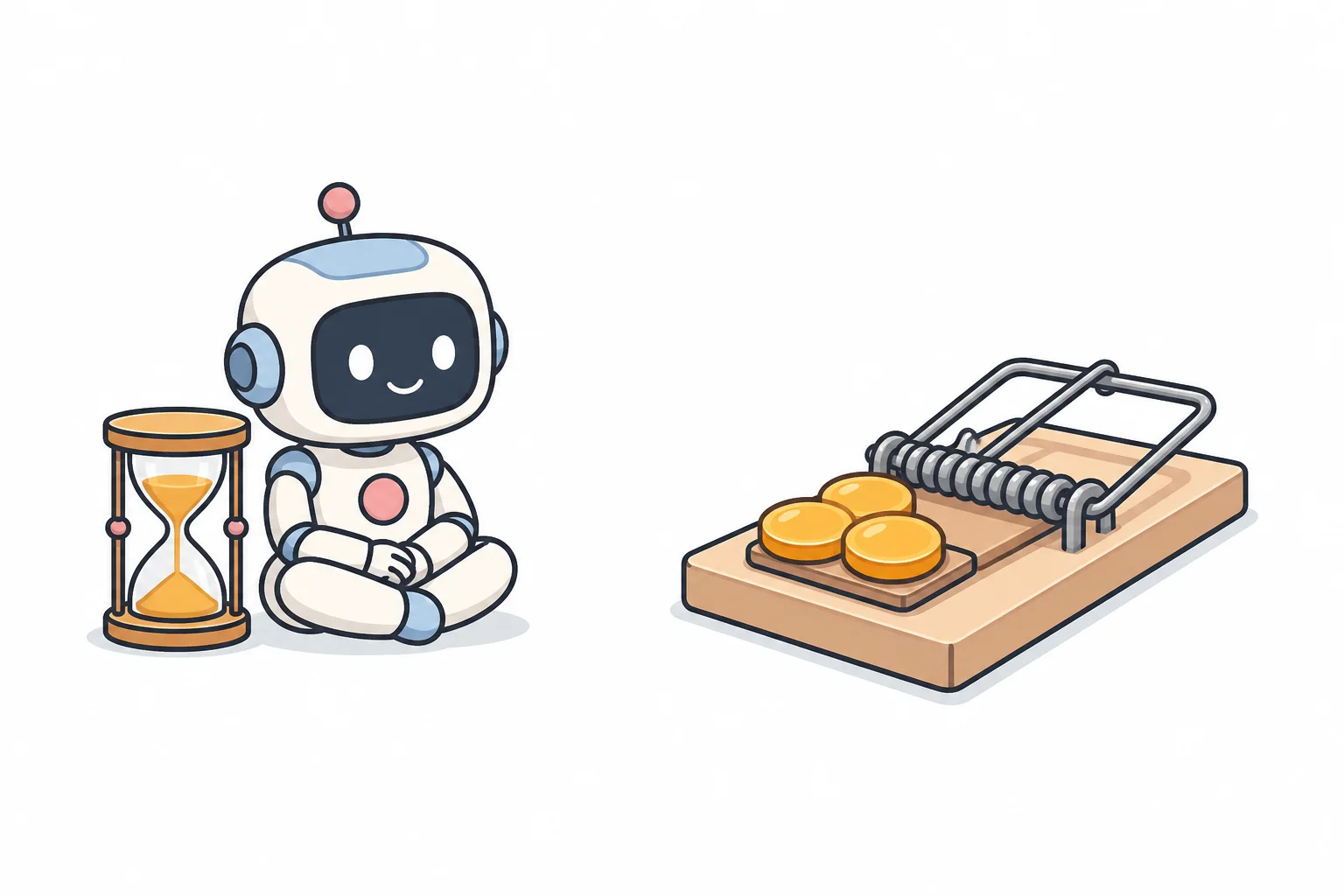
An API key with withdrawal permission turns any bug or leaked key into a total loss. This one is worth repeating.
Skipping the fake-money phase comes next. Those practice weeks feel slow, and they are the cheapest lessons you will ever buy.
Trading larger too early is the classic. A bot that worked for two weeks at $50 has proven very little; scale after months, not days.
Judging the bot on its first days measures luck, not skill. Let months of results speak, the same standard you would demand from any strategy.
Running code you do not understand fails in ways you cannot diagnose, usually at the worst moment. Borrowed bots and pasted scripts belong in that bucket.
Every one of these is avoidable with patience, which is the actual scarce resource in this project. The next step in this series is understanding the market data your bot reads, and that is where the building starts to feel like trading.
FAQ
What is the best platform to build a trading bot?
Judge any venue on four things: clear API documentation, a testnet or demo environment, enough trading volume that your orders fill near the price you see, and fees you understand. Any major exchange that scores well on those four is a workable starting point.
Can I build a trading bot without coding at all?
Many exchanges offer built-in bots, such as grid bots, that need no code. They are a legitimate way to start, with a trade-off: you give up control and learn much less about why the bot wins or loses. If your goal is to understand systematic trading, writing even a tiny bot yourself teaches more.
How long does it take to build a trading bot?
Printing live prices takes an evening. A first rule running against a testnet takes a weekend. A bot you can leave alone with real money usually takes weeks, and most of that time is watching it behave in practice, not writing code.