Algorithmic trading means writing your trading rules down so precisely that a computer can follow them, then letting a program, called a trading bot, do the trading for you. You decide the rules once. The bot applies them the same way every time, for as long as you let it run. In crypto this solves a real problem: the market never closes, nobody can watch it all day, and nobody clicks calmly at 4 a.m.
How does algorithmic trading work?
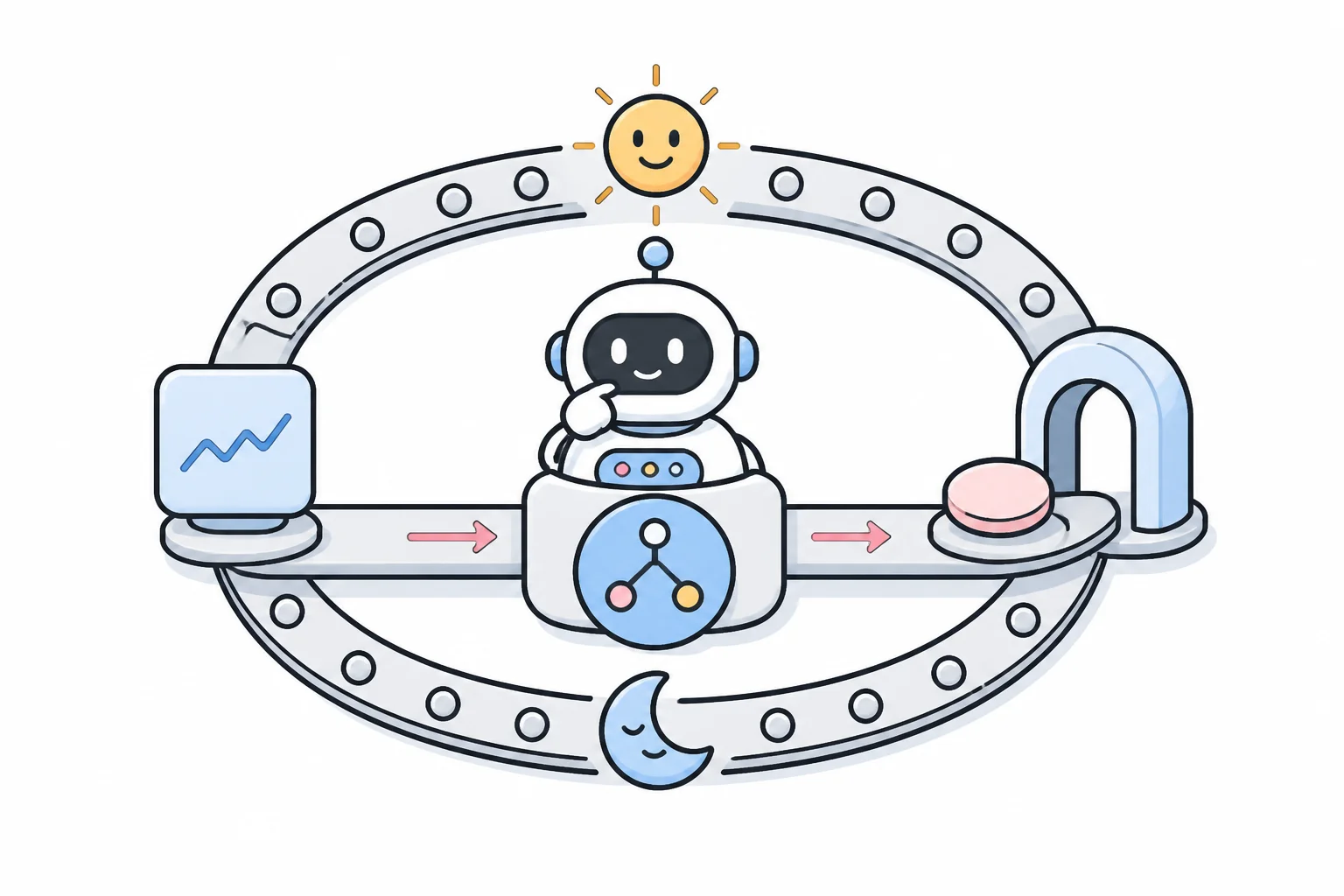
Every setup, from a hobby bot to a professional system, runs the same loop with three parts.
Market data comes in. The program watches prices and other information from the exchange through an API, an interface that exchanges provide so programs can connect directly.
The rules decide. The program checks each new piece of data against the conditions you set. Has the price dropped 3% today? Am I already holding as much as my rules allow?
Orders go out. When a rule fires, the program sends a buy or sell order to the exchange, then goes back to watching.
That is the whole machine. Everything else you will meet later, like backtesting, risk limits, and monitoring, exists to make this loop safe to leave running.
What does a simple strategy actually look like?
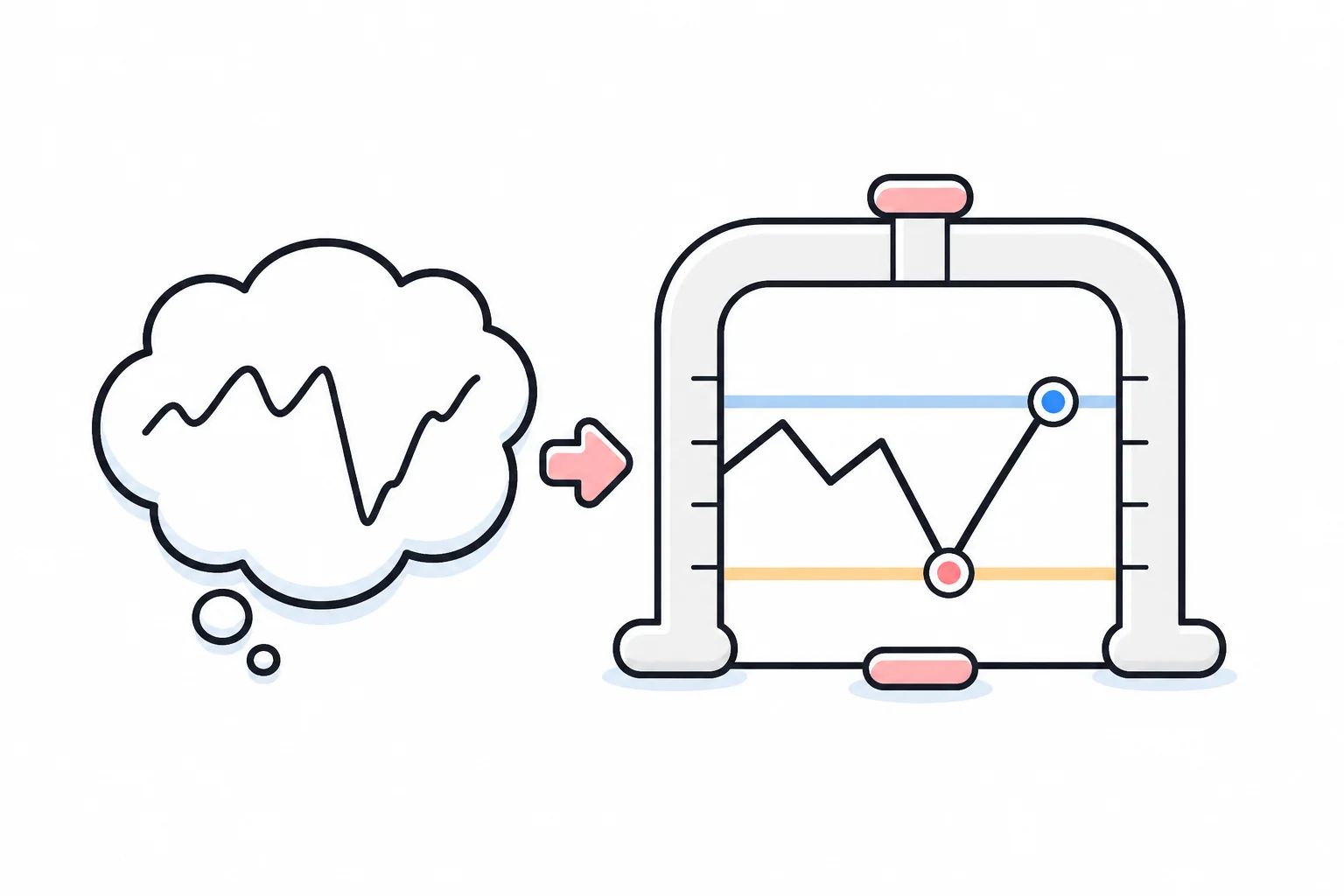
Suppose you have noticed that BTC often bounces back after a sharp one-day drop, and you want to trade that idea. Written as rules:
- If the price falls 3% below its 24-hour average, buy $100 of BTC.
- When the price returns to that average, sell.
- Never hold more than one position (one open trade) at a time.
That is a complete algorithmic strategy. A vague hunch, “it usually bounces,” became numbers a machine can check thousands of times a day. Whether this rule makes money is a different question, and you answer it with backtesting: running the rule against past prices to see how it would have done. If you cannot write a rule down this precisely, you cannot automate it.
Algorithmic trading, trading bots, algo trading: any difference?
Mostly marketing. Algorithmic trading, or algo trading, is the practice of trading by predefined rules. A trading bot is the program that does it. Automated trading covers both. An AI trading bot usually means one of two things: machine learning inside the strategy, or simply a bot built with AI help. Under every label the mechanics are the same. Data in, rules decide, orders out.
Why do traders automate?

Four reasons come up in practice.
A bot does not sleep. Crypto trades around the clock, and the move you were waiting for does not care that it is 4 a.m. where you live.
A bot does not feel the click: fear and greed do their damage at the moment of execution, and that moment is exactly what you hand to the machine.
A bot repeats itself. Same entry, same exit, same size every time, so your results tell you about the strategy instead of about your mood that week.
A bot can carry its own limits. Position sizing (how much you buy each time) and stop-losses (automatic exits that cap a loss) can be built into the program instead of remembered under pressure.
The cost side is just as real. Automation amplifies whatever you give it: a good rule applies its advantage consistently, and a bad rule loses money faster than you would by hand. The machine takes emotion out of execution. It adds nothing to your judgment.
Is this the same as high-frequency trading?
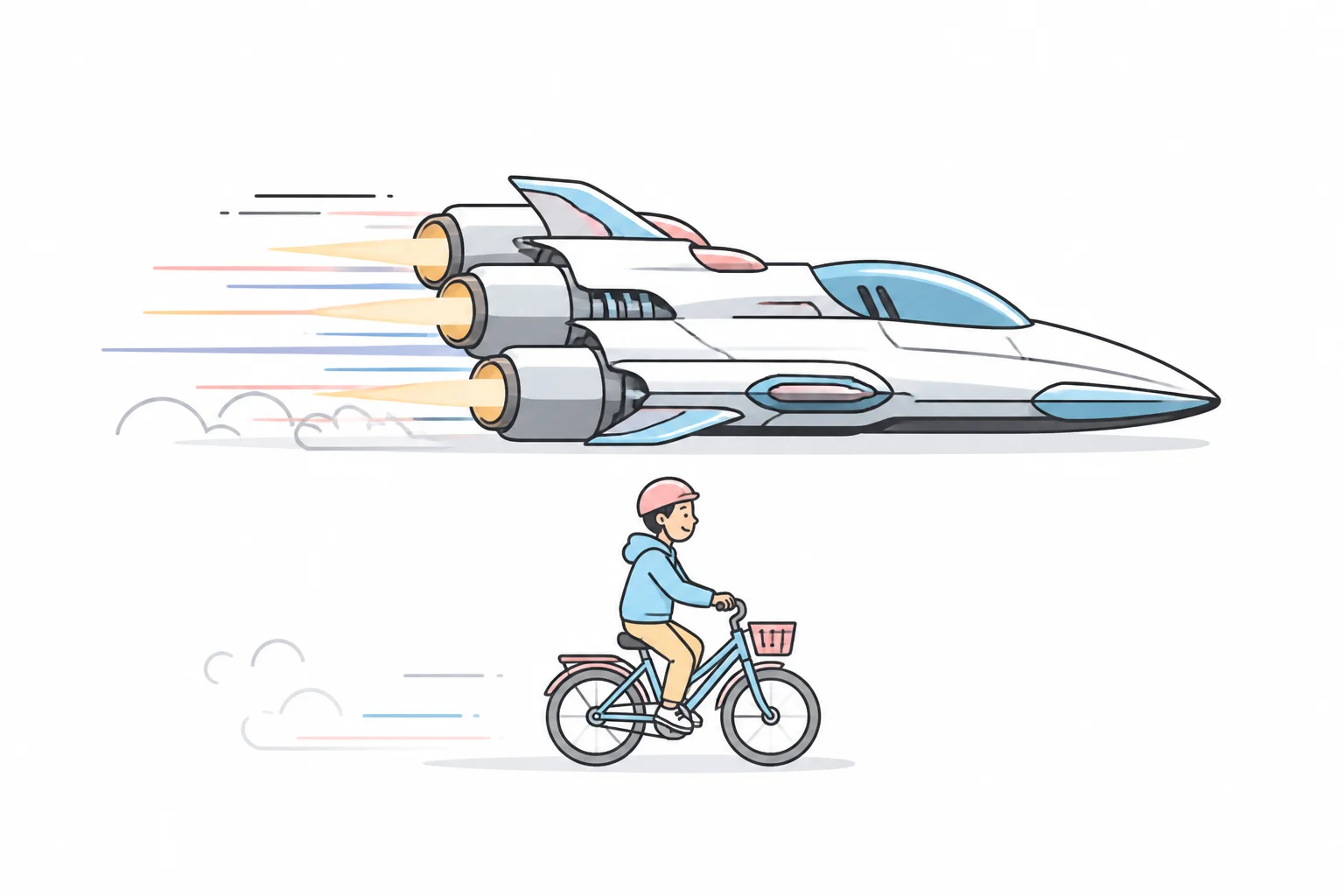
No. High-frequency trading is an institutional race measured in microseconds, run on servers placed inside exchange data centers. You cannot win that race from home, and you do not need to enter it. Retail algorithmic trading works on minutes, hours, and days, where a normal computer and an exchange API are enough. The two share a name and very little else.
Is algorithmic trading legal, and is it safe?
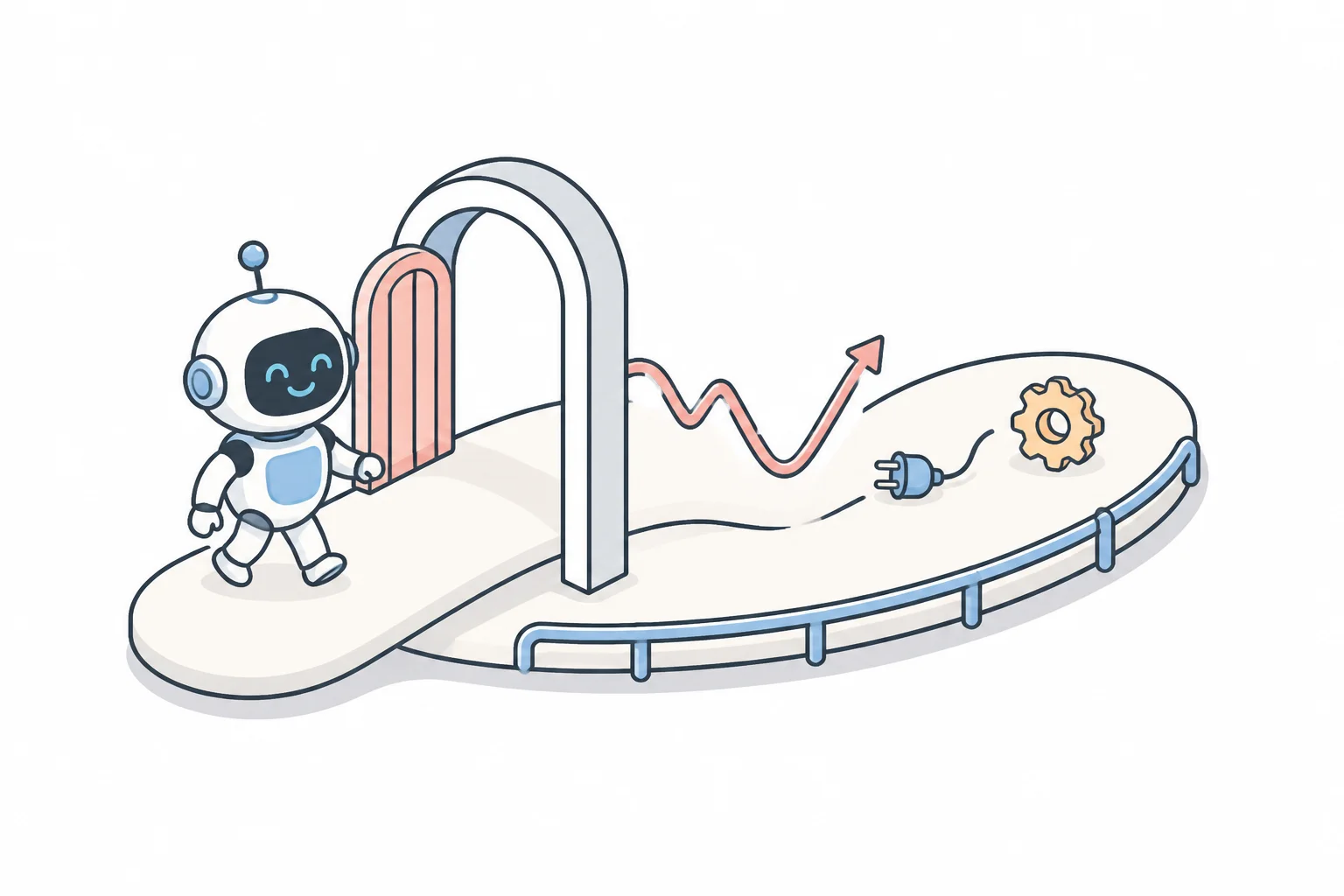
Two different questions hide in there. Whether it is legal depends on your country’s law. Whether it is allowed depends on the exchange’s terms. Most major crypto exchanges publish trading APIs precisely because they want customers to automate, and their terms typically forbid abuse, such as manipulative order spam, rather than automation itself. Check both before you build: your local rules and the exchange’s API terms.
Safety is the harder question. The first risk is the ordinary one: the strategy can be wrong and lose money, exactly like a human trade. Automation then adds operational risk on top. A bug that re-sends orders. An API key with withdrawal permissions it never needed. Leverage (trading with borrowed funds) turning a small mistake into a liquidation, the forced closure of your position. An exchange outage while your bot holds a position it can no longer see. Each of these has a standard defense, and this series covers them step by step. None of the defenses apply themselves.
Where should a beginner actually start?
Start without money.
- Learn what market data a bot actually reads: prices, candles, order books.
- Write one rule you can explain out loud, and build the simplest bot that follows it.
- Test it against past data, then in real time without real money. Many exchanges offer testnets, practice environments that behave like the real exchange with fake funds.
- Go live only after that, at a size where losing it all changes nothing, with your risk limits decided in advance.
The order matters more than the speed. The most expensive beginner mistake is starting from “which bot makes the most money?” and working backwards.
FAQ
Is algorithmic trading profitable?
It can be, and it is also common for beginners to lose money at first. Fees, bugs, and backtests that looked better than reality eat naive strategies. Trade tiny sizes or practice without real money, and judge your system on months of results, not days.
Do I need to know how to code?
Some coding ability helps a lot, and Python is the usual choice. Simple rule-based bots need surprisingly little code, and AI coding assistants have lowered the bar further. You can also start by following your rules by hand, on paper, to learn how the logic feels.
How much money do I need to start?
Zero, at first. Many exchanges offer testnets or demo accounts, and that is where a new system belongs until it has run for weeks without surprising you. When you go live, start with an amount you can afford to lose completely.